

Courses
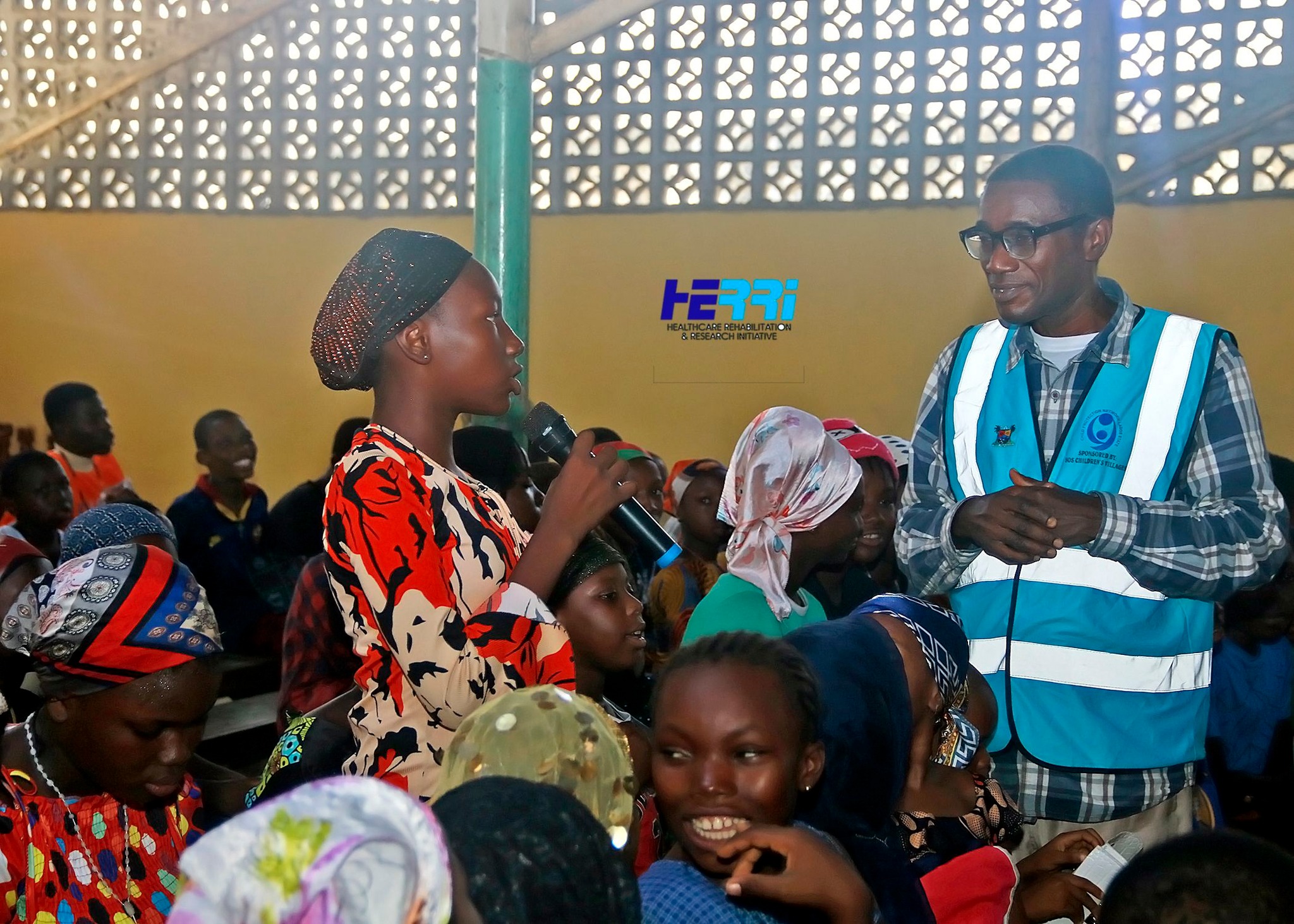
COMMUNITY INFORMATION DISSEMINATION PROCESS
COURSE OBJECTIVES
By the end of this course, participants will be able to:
1. Identify the right audience for mental health and drug prevention information and explain why each group needs specific messages.
2. Select safe, effective communication channels for a wide reach without harm, misinformation or stigmatization.
3. Prepare clear, local, and confidential materials using simple language, relevant visuals, and key messages that drive action.
4. Share information ethically by planning events, engaging gatekeepers, and using chosen channels to spread truth, not fear.
5. Follow Up by gathering feedback, correcting misconceptions, evaluating impact, and adjusting strategy to build trust.
TARGET AUDIENCE
1. Staff And Volunteers
– Field officers, counselors, peer ambassadors and social workers.
2. Community Leaders And Gatekeepers
– Traditional Rulers, Women Leaders, Youth Groups, Community Leaders, Market Women leaders, Union of Transporters.
3. School and Faith Based Leaders
– School Teachers, Religious Leaders, School Based Management Teams.
4. Health Workers And CBOs
– Community Health Workers, NGO staff, Peer Educators.
5. Youth Leaders And Influencers
– Skit makers, Artisans, Thrift Sellers, Students.
COURSE DURATION
3 Months
Course Outline
1. Identify Audience
2. Communication Channels
3. Communication Materials Preparation
4. Information Sharing
5. Follow Up
MODULE ONE
Identify Audience.
Who needs the information? (e.g., youth, parents, community leaders and Associations)
MODULE TWO
Choose Channels
Social media (e.g., Twitter, WhatsApp, Facebook)
– Community meetings and events
– Local media (e.g., radio, newspapers)
– Posters, flyers, and brochures
– Schools, Religious Organizations, market women and Union Of Transporters
MODULE THREE
Prepare Materials
– Clear, simple language
– Relevant visuals (e.g., images, infographics)
– Key messages and takeaways
MODULE FOUR
Share Information
– Schedule and plan dissemination events
– Engage community leaders and influencers
– Use chosen channels for dissemination
MODULE FIVE
Follow Up
– Gather feedback and questions
– Address concerns and misconceptions
– Evaluate impact and adjust strategy.
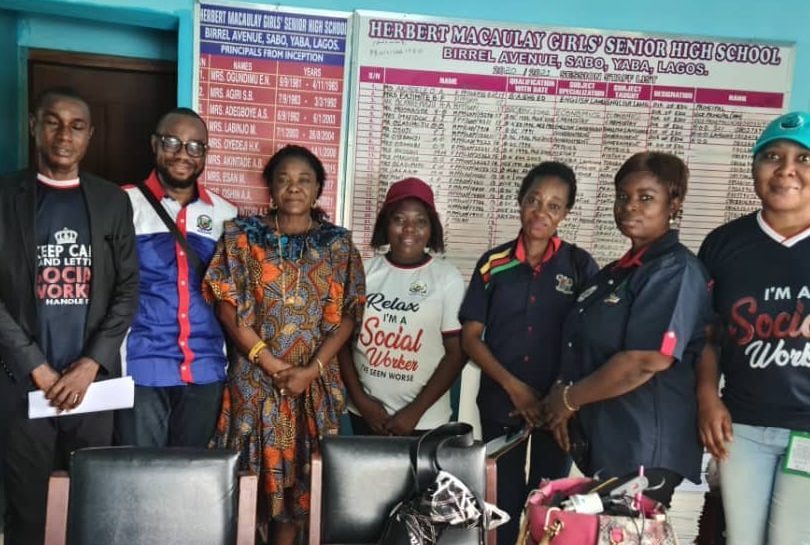
Safeguarding and Protection of a Child
Course Outline
Safeguarding and Protection of a Child
ADVANCING CHILD CARE AND PROTECTION
* Research On Citizen’s Knowledge on Child Safeguarding and Protection
* Training Organisations on Child Safeguarding and Protection
* Development of Safeguarding Policy For Organizations
Child Protection is everyone’s business.
It’s mine and yours. Let’s work together to ensure safety of the Children
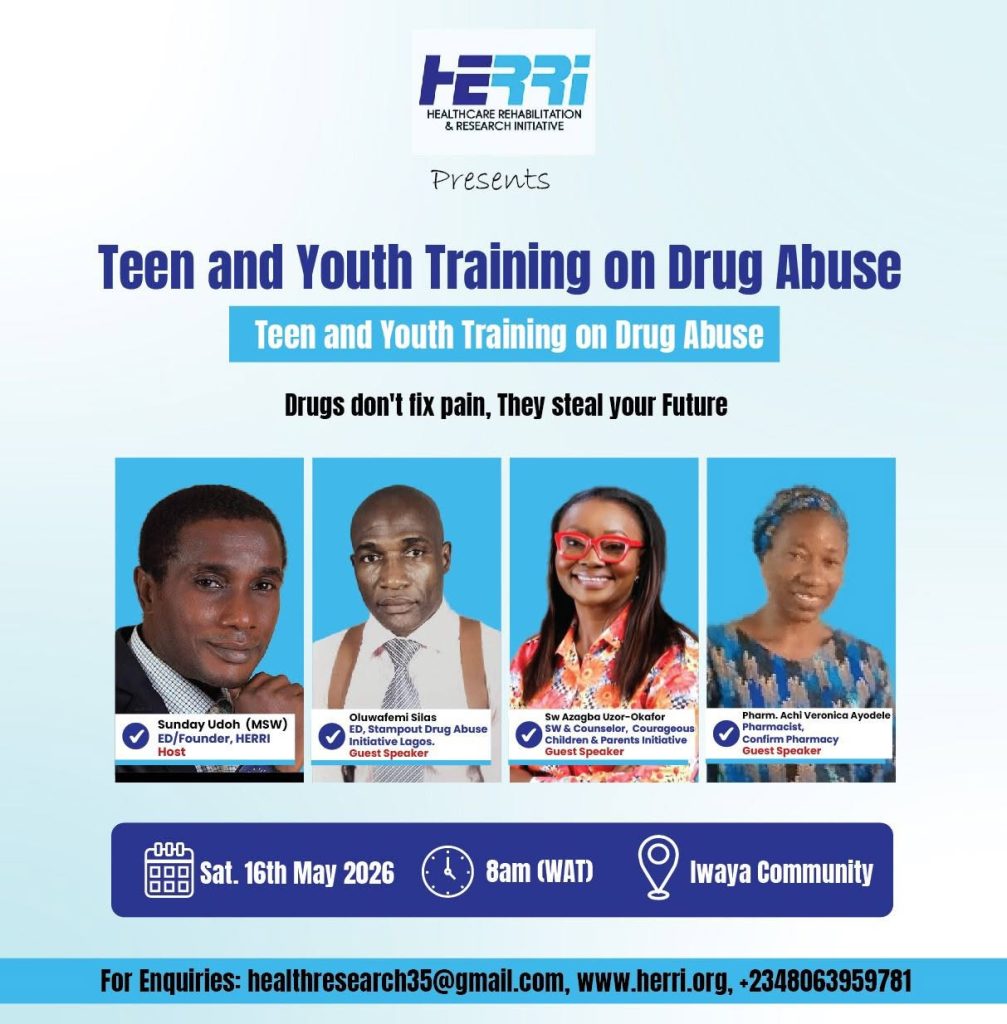
The truth about Drugs (Drug Abuse)
Course outline :
The truth about Drugs (Drug Abuse)
Module 1: What Are Drugs? Know Your Enemy
1. Definition: Drug = any substance that changes how body/mind works
2. Types common in Nigeria: Alcohol, codeine, tramadol, marijuana/weed, shisha, glue, cough syrup, energy drinks mixed with drugs
3. Legal vs Illegal: Prescription drugs abused = still drug abuse
4. Myth vs Fact Game: “Weed is natural so it’s safe” → Fact: It damages teen brain
Module 2: Dangers to the BODY – God’s Temple
“Your body is the temple of God
1. Brain damage: Kills cells → poor memory, slow thinking. Teen brain develops till 25
2. Heart & lungs: Tramadol/weed → heart attack, breathing problems
3. Liver/kidney failure: Body’s filters shut down → dialysis/death
4. Overdose: One wrong dose = death. No second chance
5. Activity: Draw “Healthy Body vs Drug Damaged Body” for younger children
Module 3: Dangers to the MIND & EMOTIONS
1. Addiction cycle: Experiment → Regular use → Dependence → Mastered
2. Mental health: Depression, anxiety, paranoia, psychosis, hallucinations
3. Mood changes: Extreme anger, violence, or deep sadness. Destroys peace at home
4. Loss of self-control: Say/do things you regret self-control
5. Case study: A student who lost a scholarship or successful admission due to drugs
Module 4: Dangers to FUTURE, FAMILY & FAITH
1. Academic future: Grades drop → dropout → no job/scholarship. Doors close
2. Family damage: Lying, stealing, broken trust. Parents cry/pray in secret
3. Social danger: Fights, accidents, sexual risks, HIV/STIs, unwanted pregnancy
4. Legal trouble: NDLEA arrest, criminal record, jail time
5. Spiritual danger: Distance from God, shame, feeling “too dirty for God, thief steals purpose
Module 5: Why People Start + How to Resist
1. Root causes: Peer pressure, stress, curiosity, trauma, low self-esteem, bad friends
2. Triggers: Boredom, heartbreak, exam failure, social media pressure
3. Refusal skills for teens:
– “No thanks, that’s not me”
– Change topic + walk away
– Have exit excuse: “My mom is calling”
4. Parent strategies: Know child’s friends, open communication, supervise free time, teach purpose
5. Role play: Practice saying NO in 3 tough situations
Module 6: Hope, Help & Recovery
“Where Spirit of God is, there is freedom”
1. You’re not too far gone: God restores
2. Steps to freedom: Admit problem → Confess → Cut triggers → Get accountability → Replace with good habits
3. How to help a friend: Don’t cover, don’t shame. Tell trusted adult/counselor, Social Worker and restore gently
4. Where to get help: Social Worker, School counselor, trained Pastor, trained parent, hospital and NDLEA
5. Commitment time: Students/parents write “I choose life” pledge